Service 02 / Maintenance
Septic Maintenance
Quality maintenance using detailed inspection techniques to lower long-term costs and prevent emergency repairs. Auto-Tracts online contracts from $22/month.
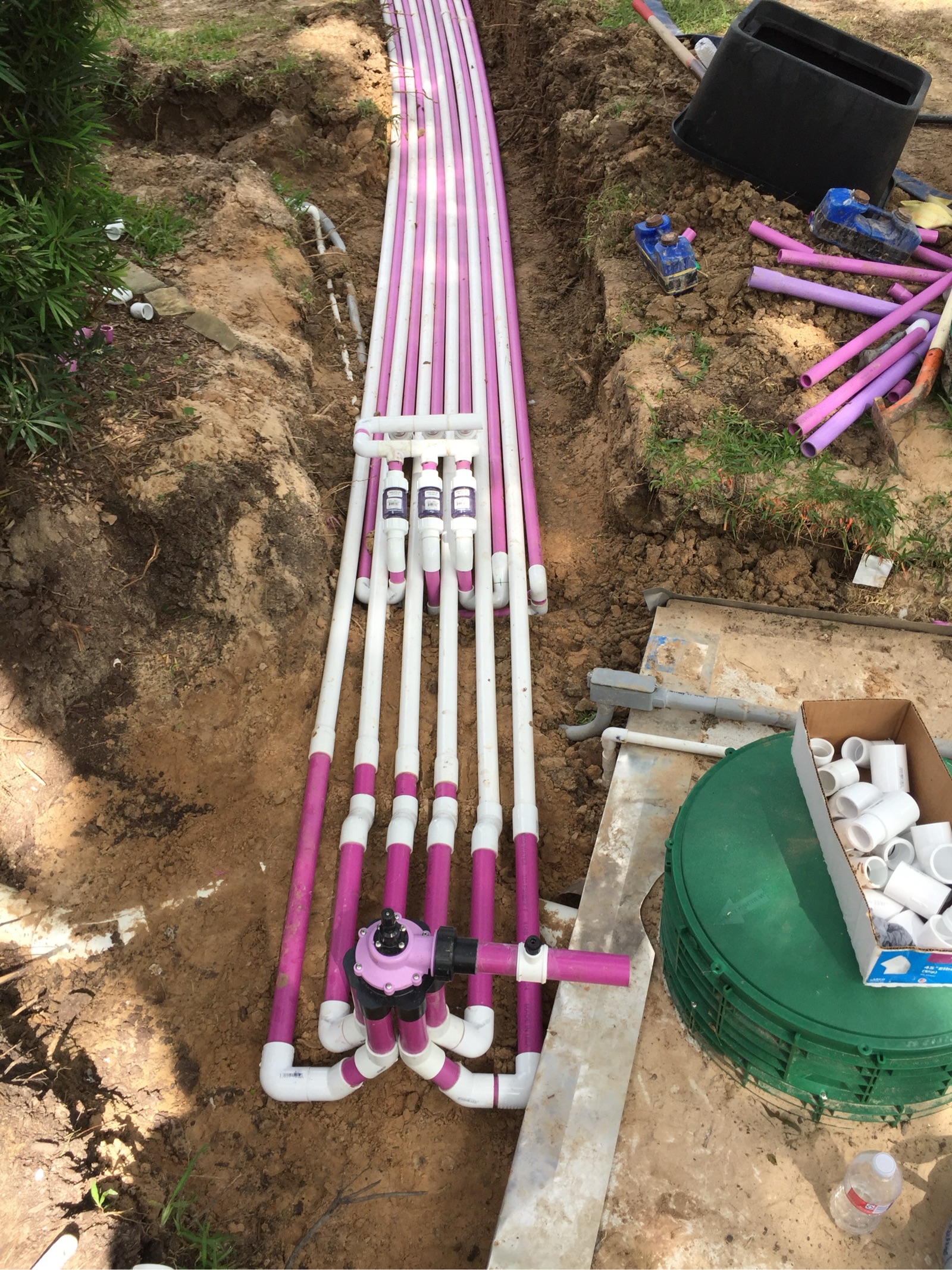
Quality maintenance using detailed inspection techniques to lower long-term costs and prevent emergency repairs. Auto-Tracts online contracts from $22/month.
| Component | What We Test | Why It Matters |
|---|---|---|
| Trash tank | Solids level, baffles | Prevents downstream clogging & overload. |
| Aeration chamber | Air pump output, diffuser | The heart of aerobic treatment. |
| Clarifier | Effluent clarity, sludge return | Ensures clean effluent to the pump tank. |
| Chlorinator | Tablet level, chlorine feed | Required for legal effluent discharge. |
| Pump tank & controls | Pump, floats, control panel | Prevents backup & alarm events. |
| Spray field | Head coverage, root intrusion | Confirms proper disposal & compliance. |
Aerobic tanks need periodic pumping to remove accumulated solids — typically every 3–5 years depending on household size and usage. We locate buried openings, pump the tanks, and re-seal them cleanly.
We provide detailed real-estate inspection reports on aerobic septic systems — with photos, tank measurements, and a written finding suitable for closing packages.
Your chlorinator disinfects the effluent before it leaves the system — required by TCEQ. We help you choose the right disinfection method and keep it stocked.
All contracts paperless with secure online payment. Change or cancel your tier anytime from your account.
Call us to enroll or send your address and system type via our contact form — we'll set up your Auto-Tracts account, walk you through the login, and get your first inspection on the calendar.
Press the silence button on your control panel. Check chlorine level. Look at the light indicators. Then call us — most alarms are a quick fix once diagnosed. See our alarm troubleshooting guide.
Usually a sign your chlorinator is empty or your air pump has stopped. Both are common, both are quick fixes.
Could be a clogged head, pump failure, or root infiltration in the line. We'll diagnose the specific cause and quote the fix.
Stop using water in the home immediately and call us. This can indicate high solids or a pump failure — do not delay.